
Dental Health
5 min read

Dentestha Team
10/07/2026
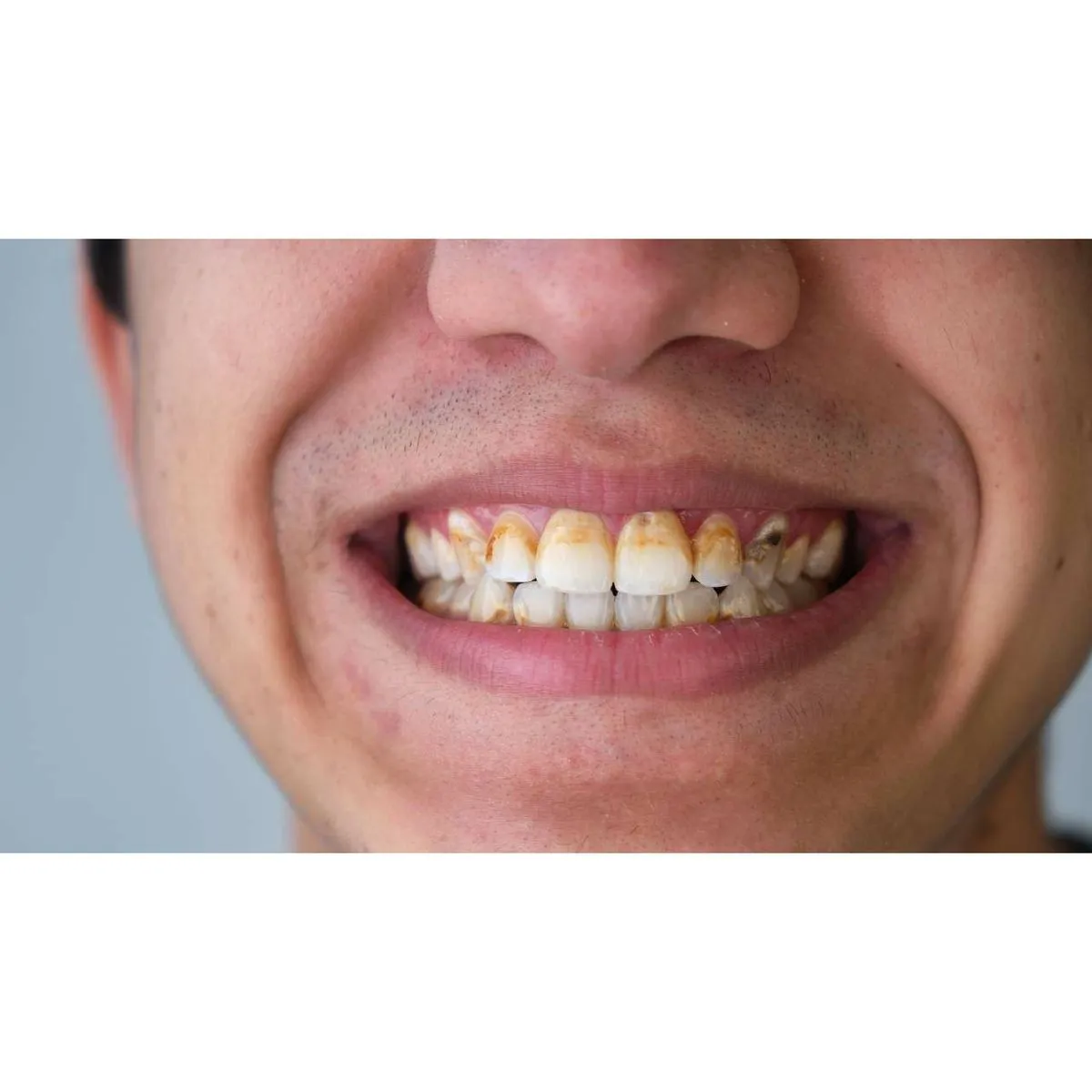
You brush your teeth every day, yet your smile still looks more yellow than you'd like. It can be frustrating. After all, isn't regular brushing supposed to keep your teeth white?
Not necessarily.
Brushing helps remove plaque and surface buildup, but tooth color is influenced by much more than daily cleaning. The natural shade of your teeth, your diet, aging, enamel thickness, and certain habits can all play a role.
One thing many people don't realize is that naturally healthy teeth are not always pure white.
The outer layer of your teeth, called Enamel, is slightly translucent. Beneath it is Dentin, which naturally has a yellowish color.
If the Enamel becomes thinner over time, more of the Dentin may show through. As a result, your teeth can appear more yellow even when they are healthy and properly cleaned.
Common Reasons Teeth Become Yellow
Coffee, tea, red wine, cola, and certain strongly colored foods can gradually stain the surface of your teeth.
Brushing can help remove some surface buildup, but it may not remove deeper discoloration.
As you get older, Enamel naturally becomes thinner.
At the same time, the Dentin underneath may become more noticeable. This is one reason teeth often appear darker or more yellow with age.
Smoking and other tobacco products can cause significant tooth staining.
These stains may become difficult to remove with regular brushing alone.
Brushing regularly is important, but technique matters too.
If plaque is not properly removed from the gumline and other areas, buildup can gradually contribute to discoloration.
Some medications can cause tooth discoloration, particularly when exposure occurs during tooth development.
If you notice a change in tooth color after starting a medication, discuss it with your dentist.
Brushing removes plaque and helps prevent new surface buildup. However, it cannot always remove:
Deep stains
Internal discoloration
Changes caused by aging
Discoloration related to enamel thinning
Certain medication-related stains
This is why some types of yellowing require professional assessment rather than simply brushing more frequently.
You may not be able to stop every cause of tooth discoloration, but you can reduce staining by:
Brushing twice daily
Cleaning between your teeth
Limiting stain-causing foods and drinks
Rinsing your mouth after strongly colored foods
Avoiding tobacco
Attending regular Dental Checkups
Small habits can help protect your smile over time.
Professional Teeth Whitening can improve many types of surface and internal tooth discoloration.
However, whitening is not suitable for every type of stain. Existing Dental Fillings, Crowns, or Veneers may not change color in the same way as natural teeth.
A dental evaluation can help determine whether Whitening is appropriate for you.
When Should You See a Dentist?
Consider a professional dental evaluation if:
Your teeth suddenly change color
One tooth becomes noticeably darker
Yellowing continues despite good oral hygiene
You have tooth pain or sensitivity
You are considering Teeth Whitening
A sudden color change in a single tooth may sometimes indicate an underlying dental problem.
Natural tooth color, aging, enamel thinning, food and drink stains, tobacco use, and certain medications can all contribute to yellow teeth.
Not necessarily. Brushing too aggressively can damage the Enamel and irritate the gums.
No. Natural teeth can have a slightly yellowish shade and still be healthy.
Professional Whitening can improve many types of discoloration, but results depend on the cause and type of stain.
In many cases, professional whitening can significantly improve tooth color. However, not every type of discoloration responds the same way.
Brushing regularly is essential for healthy teeth, but it does not guarantee a perfectly white smile. Natural tooth color, aging, enamel thinning, food and drink stains, tobacco, and certain medications can all cause teeth to appear yellow.
The important thing is to understand the cause before choosing a whitening treatment.
If you are concerned about yellow or discolored teeth, visit Dentestha for a professional dental evaluation and personalized treatment guidance.
Dental Health