
Skin Care
5 min read

Dentestha Team
12/07/2026
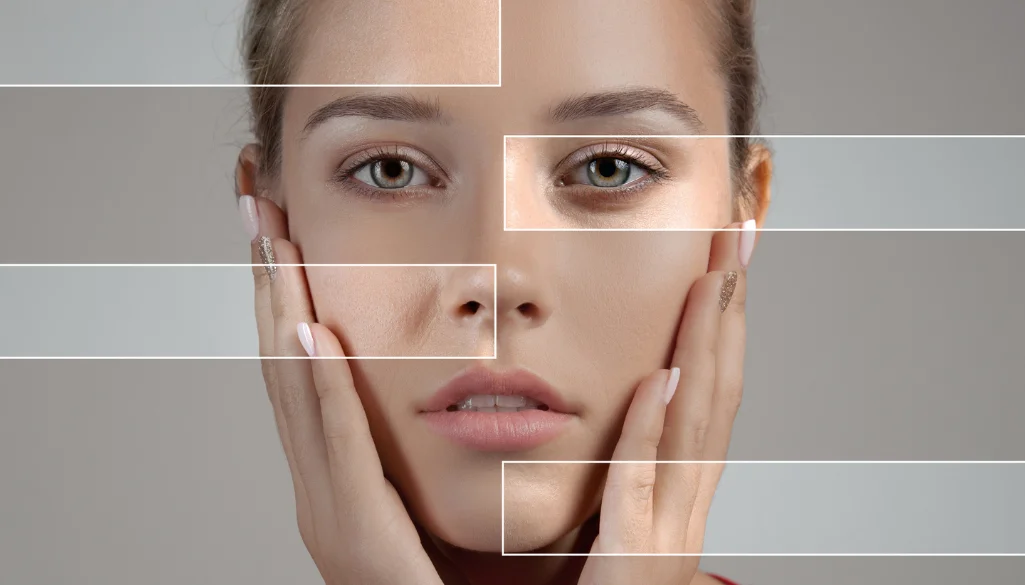
Your skin may look clear in one area and darker in another. Perhaps you have noticed dark spots after Acne, patches that became more visible after spending time in the sun, or an overall complexion that looks less even than before.
Uneven Skin Tone can develop for several reasons, and understanding the cause is the first step toward improving it.
What Does Uneven Skin Tone Really Mean?
Uneven Skin Tone refers to areas of the skin that appear darker, lighter, or different in color from the surrounding skin.
It may appear as:
Dark spots
Post-acne marks
Sun-induced pigmentation
Redness
Patchy areas of discoloration
Sometimes the change is subtle. Other times, it can become one of the most noticeable concerns when you look in the mirror.
UV rays can stimulate the skin to produce more Melanin, the pigment responsible for skin color.
Over time, repeated sun exposure can lead to Dark Spots, tanning, and an uneven complexion.
After an Acne breakout heals, a dark mark may remain behind.
This is known as Post-Inflammatory Hyperpigmentation. Scratching, picking, or irritating the skin can make these marks more noticeable.
Hormonal fluctuations can sometimes contribute to pigmentation concerns such as Melasma.
This may appear as darker patches, often on areas such as the cheeks, forehead, or upper lip.
Some skincare products or treatments may irritate the skin.
When inflammation occurs, it can sometimes trigger increased pigmentation, particularly in people prone to Dark Spots.
As the skin changes with age, years of sun exposure and past inflammation may become more visible.
This can contribute to an uneven complexion over time.
Daily Sunscreen is one of the most important steps.
Without protecting your skin from UV rays, new pigmentation may continue to develop and existing Dark Spots may become darker.
Depending on the cause, certain ingredients may help improve the appearance of pigmentation.
These may include:
Vitamin C
Niacinamide
Retinoids
Azelaic Acid
However, not every ingredient is suitable for every skin type. Using too many active ingredients at once may irritate the skin.
It can be tempting to squeeze or pick a breakout.
However, doing so can increase inflammation and raise the risk of Post-Inflammatory Hyperpigmentation.
For persistent or stubborn pigmentation, professional treatments may be considered.
Depending on your skin and the cause of the discoloration, options may include Chemical Peels, Laser Treatments, or other Dermatological procedures.
A professional assessment is important before choosing a treatment.
Skin pigmentation usually does not disappear overnight.
Some marks may gradually fade with consistent skincare and sun protection. Others may require professional treatment.
The timeline depends on the cause, depth of pigmentation, skin type, and treatment approach.
Consistency matters more than constantly changing products.
Frequently Asked Questions
Sun exposure is one of the most common causes, but Acne, hormonal changes, inflammation, and aging can also contribute.
Sunscreen may not remove existing pigmentation by itself, but it helps prevent further sun-related darkening and supports other treatments.
Yes. Acne can leave behind dark marks known as Post-Inflammatory Hyperpigmentation.
Consistent Sun Protection, gentle skincare, avoiding skin irritation, and not picking at Acne can help support a more even complexion.
Consider professional advice if pigmentation is sudden, rapidly changing, persistent, or not improving with basic skincare.
Uneven Skin Tone can develop due to Sun Exposure, Acne, hormonal changes, inflammation, and the natural aging process. The best way to improve it is to first understand what is causing the discoloration.
Daily Sunscreen, gentle skincare, and targeted ingredients may help. For persistent pigmentation, professional treatments may provide more effective results.
If you are concerned about Dark Spots or an uneven complexion, visit Dentestha for a professional skin assessment and personalized treatment guidance.
Skin Care