
Skin Care
5 min read

Dentestha Team
12/07/2026
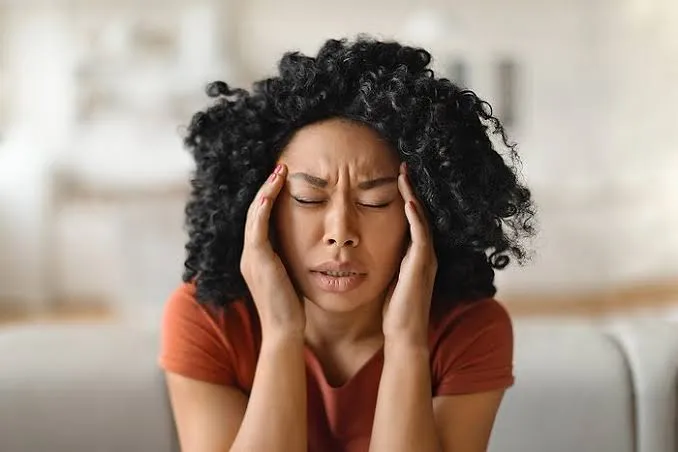
Have you ever noticed a new breakout during a stressful week? Or felt that your skin looks dull and tired when you are not sleeping well?
That connection is not just in your head.
Stress can affect the body in many ways, and the skin can sometimes show the effects. Changes in hormones, sleep, inflammation, and daily habits may all influence how your skin looks and feels.
When you experience stress, your body releases hormones such as Cortisol.
Short-term stress is a normal part of life. However, ongoing stress may affect oil production, inflammation, the Skin Barrier, and the body's ability to recover.
This is why prolonged stress can sometimes make existing skin concerns more noticeable.
Stress can influence hormone activity and may increase oil production in some people.
More oil, combined with dead skin cells and bacteria, can contribute to clogged pores and Acne breakouts.
Stress may also lead to habits such as touching or picking at the face, which can make breakouts worse.
Long-term stress may affect the skin's ability to maintain its protective barrier.
As a result, the skin may feel:
Dry
Tight
Irritated
More sensitive
A weakened Skin Barrier may also make it more reactive to skincare products and environmental factors.
Stress does not cause every skin condition, but it may worsen certain inflammatory problems in some people.
Conditions such as Eczema, Psoriasis, and other inflammatory skin concerns may become more difficult to manage during periods of prolonged stress.
Stress often affects sleep.
When you are not getting enough quality sleep, your skin may appear dull, tired, and less refreshed. Over time, poor sleep can also affect the skin's natural repair process.
The effects of stress are not limited to the face.
Some people may notice increased Hair Shedding or changes in scalp health during or after prolonged periods of stress.
Sometimes, stress and skin problems can create a cycle.
Stress may worsen Acne or irritation. Then, visible skin problems may affect your confidence, which can create more stress.
Breaking this cycle often requires looking after both your skin and your overall well-being.
You cannot always remove stress from your life. But small habits may help.
Try to:
Maintain a consistent Skincare Routine.
Get enough quality sleep.
Avoid picking or touching your face frequently.
Eat a balanced diet.
Stay hydrated.
Make time for regular physical activity.
Use sunscreen daily.
If your skin problem continues, do not assume that stress is the only cause.
Consider professional advice if you experience:
Persistent or painful Acne
Sudden or significant Hair Loss
Ongoing redness or irritation
Repeated Eczema or Psoriasis flare-ups
Skin problems that do not improve with basic care
A dermatologist can help identify whether stress is contributing to your symptoms or whether another underlying cause needs attention.
Stress may contribute to Acne by affecting hormones, oil production, inflammation, and habits such as touching or picking the skin.
Yes. Prolonged stress may affect the Skin Barrier and make the skin more reactive.
Chronic stress may contribute to factors associated with skin aging, particularly through poor sleep, inflammation, and other effects on the body.
Certain types of Hair Shedding may be associated with significant physical or emotional stress. Persistent Hair Loss should be professionally evaluated.
It may. Reducing stress can support better sleep, healthier habits, and improved overall well-being, which may benefit the skin. However, persistent skin concerns may require specific treatment.
Stress can affect more than your mood. It may influence oil production, inflammation, the Skin Barrier, sleep, and even certain Hair and scalp concerns.
However, stress is not always the only explanation for a skin problem.
If your skin has changed noticeably or your symptoms continue, understanding the underlying cause is important. A consistent routine, healthy lifestyle habits, and professional care when needed can help support healthier skin.
If you are concerned about stress-related Acne, sensitivity, pigmentation, or other skin problems, visit Dentestha for a professional skin assessment and personalized treatment guidance.
Skin Care