Hair Care
5 min read

Dentestha Team
17/07/2026
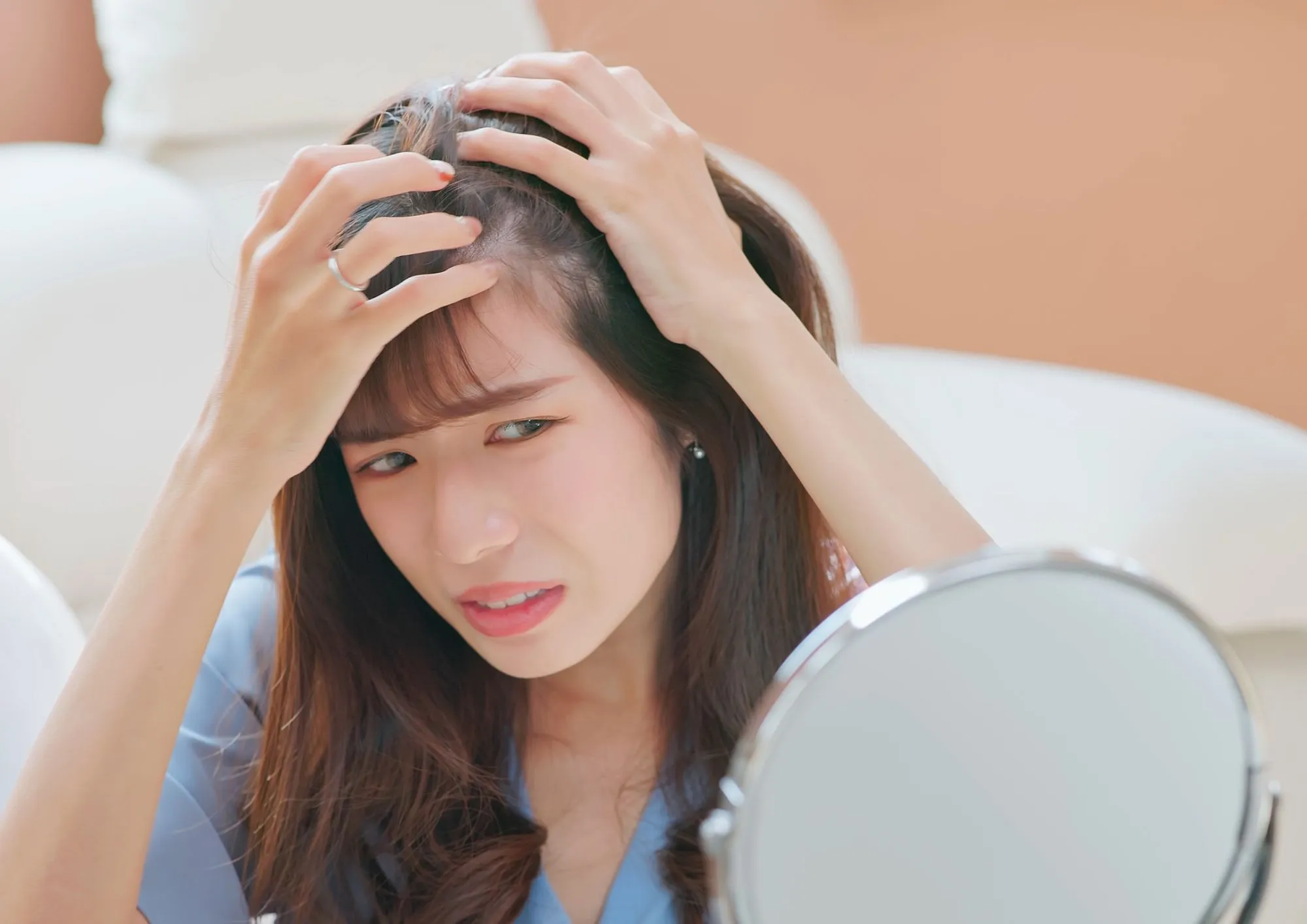
Your hair care routine may be perfect, but healthy hair does not depend only on the products you apply from the outside.
Hair growth also depends on the nutrients your body receives. If your diet lacks certain essential nutrients, your hair may become weaker, thinner, or more prone to shedding.
Hair follicles need a steady supply of nutrients to support the Hair Growth Cycle.
When your body does not get enough of certain nutrients, it may prioritize essential organs over hair growth. As a result, changes in hair health may sometimes appear.
However, Hair Loss is not always caused by diet. Hormones, genetics, stress, illness, and scalp conditions can also play a role.
Hair is primarily made of a protein called Keratin.
A diet that does not provide enough protein may affect the structure and strength of the hair.
Sources include:
Eggs
Fish
Chicken
Dairy products
Beans and Lentils
Iron helps the body produce Hemoglobin, which carries oxygen to different tissues.
Iron deficiency may be associated with Hair Loss in some people.
Good sources include meat, leafy greens, lentils, and beans.
Zinc supports several processes involved in healthy skin and hair.
A deficiency may affect Hair Growth and contribute to Hair Shedding.
Vitamin D plays several important roles in the body.
Low Vitamin D levels have been associated with certain types of Hair Loss, although the relationship can vary from person to person.
Certain B Vitamins, including Biotin, are involved in various body processes.
However, taking supplements without a confirmed deficiency is not always necessary or beneficial.
Not necessarily.
Supplements may help when a person has a confirmed nutritional deficiency. But taking excessive amounts of certain vitamins or minerals can sometimes cause unwanted effects.
A balanced diet is usually the best starting point.
If you suspect a deficiency, professional advice and appropriate testing may be more useful than taking random supplements.
Try to include a variety of:
Protein-rich foods
Fruits and vegetables
Whole grains
Healthy fats
Iron and Zinc-rich foods
A balanced diet supports overall health, which also helps support healthy skin, scalp, and hair.
Consider professional advice if you experience:
Sudden Hair Loss
Noticeable thinning
Excessive Hair Shedding
Hair changes despite a balanced diet
Other symptoms along with Hair Loss
A Dermatologist can help determine whether nutrition, hormones, genetics, or another condition may be involved.
Yes. Deficiencies in certain nutrients may contribute to Hair Loss or increased shedding in some people.
There is no single nutrient responsible for all Hair Growth. Protein, Iron, Zinc, Vitamin D, and other nutrients all play different roles.
Biotin can help if a person has a Biotin deficiency. Taking extra Biotin without a deficiency does not necessarily lead to faster Hair Growth.
Staying hydrated supports overall health, but water alone cannot correct nutritional deficiencies or treat every cause of Hair Loss.
Supplements may be helpful when a deficiency is confirmed. It is better to seek professional advice before taking high-dose supplements.
Your diet can influence your hair health because hair follicles need a steady supply of essential nutrients. Protein, Iron, Zinc, Vitamin D, and other nutrients all contribute to the body's normal functions related to hair growth.
However, Hair Loss is not always caused by poor nutrition. If you are experiencing persistent shedding or thinning, identifying the actual cause is important.
If you are concerned about Hair Loss or changes in hair growth, visit Dentestha for a professional hair and scalp assessment and personalized treatment guidance.
Hair Care