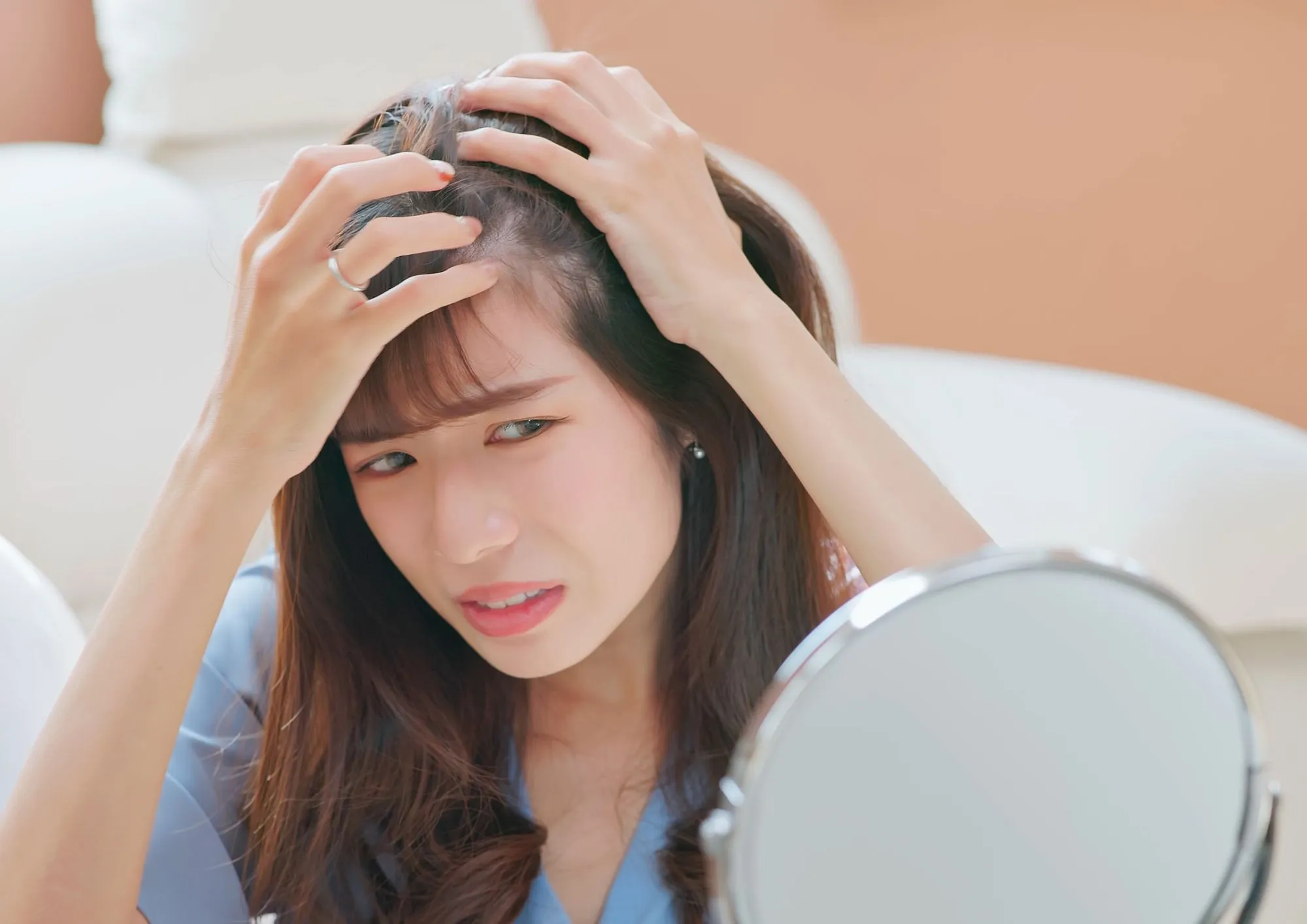
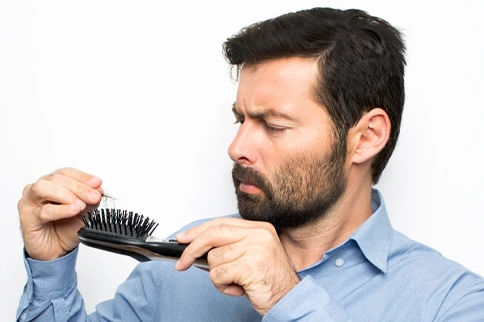
Finding a few strands of hair on your pillow or in the shower is completely normal. But what if you suddenly notice more hair than usual on your comb, your bathroom floor, or even your clothes?
It's easy to panic. Many people immediately assume they're going bald or that something is seriously wrong. The truth is, hair fall can happen for many different reasons, and not all of them are permanent.
Sometimes it's caused by stress or poor nutrition. In other cases, hormonal changes, medical conditions, or scalp problems may be responsible. Understanding the real cause is the first step toward finding the right solution. Let's look at the most common reasons behind excessive hair fall and when it's time to seek professional help.
How Much Hair Fall Is Normal?
Before worrying about hair loss, it's important to know that losing 50 to 100 hairs a day is considered normal. Hair naturally goes through a cycle of growth, rest, and shedding.
You usually don't notice this daily shedding because new hair continues to grow. The problem begins when hair falls out faster than it can grow back.
Common Causes of Hair Fall
Stress
Have you recently gone through a stressful period, illness, surgery, or emotional shock?
Stress can push a large number of hair follicles into the shedding phase. As a result, noticeable hair fall may occur a few weeks or even months later.
The good news is that stress-related hair loss is often temporary.
Hormonal Changes
Hormones play a major role in hair growth.
Pregnancy, childbirth, menopause, thyroid disorders, and conditions like PCOS can all contribute to increased hair shedding.
Poor Nutrition
Your hair needs nutrients to stay healthy.
A lack of iron, protein, vitamin D, vitamin B12, or zinc may weaken hair follicles and increase hair fall. Crash dieting or skipping meals can also affect hair growth.
Genetics
If hair loss runs in your family, hereditary hair thinning may be the reason.
This type of hair loss usually develops gradually and becomes more noticeable with age.
Scalp Conditions
A healthy scalp supports healthy hair.
Problems such as dandruff, fungal infections, psoriasis, or scalp inflammation can interfere with normal hair growth and lead to excessive shedding.
Frequent Heat and Chemical Treatments
Regular use of hair straighteners, curling irons, bleaching, coloring, or chemical treatments can weaken hair strands over time.
This doesn't always affect the hair root, but it can increase breakage and make hair appear thinner.
Certain Medical Conditions and Medications
Some illnesses and medications may also contribute to hair loss.
Examples include thyroid disease, autoimmune disorders, anemia, and certain medicines used for blood pressure, depression, or chemotherapy.
Signs That Hair Fall Needs Medical Attention
Hair shedding becomes more concerning if you notice:
- Hair coming out in large amounts every day
- Visible thinning or widening of the hair part
- Bald patches on the scalp
- Itchy, painful, or inflamed scalp
- Hair fall continuing for several months
What Can You Do to Reduce Hair Fall?
The right treatment depends on the underlying cause, but these habits can help support healthier hair:
- Eat a balanced diet rich in protein and iron.
- Avoid excessive heat styling.
- Choose gentle hair care products.
- Manage stress through healthy lifestyle habits.
- Avoid very tight hairstyles.
- Get enough sleep and stay hydrated.
- Follow professional advice before taking hair supplements.
Remember, treating the cause is more effective than simply changing your shampoo.
When Should You See a Dermatologist?
Don't ignore persistent hair loss.
You should consult a dermatologist if:
- Hair fall becomes sudden or excessive.
- You notice bald patches.
- Hair thinning is getting worse.
- Your scalp becomes red, painful, or itchy.
- Hair loss continues despite home care.
Early diagnosis often makes treatment more effective.
Frequently Asked Questions
1. Is losing hair every day normal?Yes. Losing around 50–100 hairs daily is part of the normal hair growth cycle.
2. Can stress really cause hair fall?Yes. Physical or emotional stress can trigger temporary hair shedding.
3. Will my hair grow back after hair fall?In many cases, yes. It depends on the underlying cause and how early it is treated.
4. Does washing hair every day cause hair fall?No. Washing does not cause hair loss, although loose hairs may become more noticeable during washing.
5. Can vitamin deficiency lead to hair loss?Yes. Low levels of nutrients such as iron, vitamin D, protein, and vitamin B12 can contribute to excessive hair fall.
Hair fall is common, but excessive or persistent hair loss should never be ignored. Identifying the underlying cause is the key to protecting your hair and preventing further thinning. The earlier the problem is evaluated, the better the chances of successful treatment.
If you're experiencing unusual hair fall or thinning, visit Dentestha for a professional scalp assessment and personalized hair treatment plan.