Root canal treatment is a common dental procedure used to save a badly infected or decayed tooth. Many people feel anxious when they hear about it, but modern dentistry has made the process safe, comfortable, and highly effective. In most cases, it is no more painful than getting a regular filling. The main purpose of root canal treatment is to remove infection from inside the tooth, stop pain, and preserve the natural tooth instead of extracting it. If left untreated, the infection can spread and lead to severe pain, swelling, or tooth loss. This blog explains what root canal treatment is, why it is needed, and what actually happens during the procedure.
What Is Root Canal Treatment?
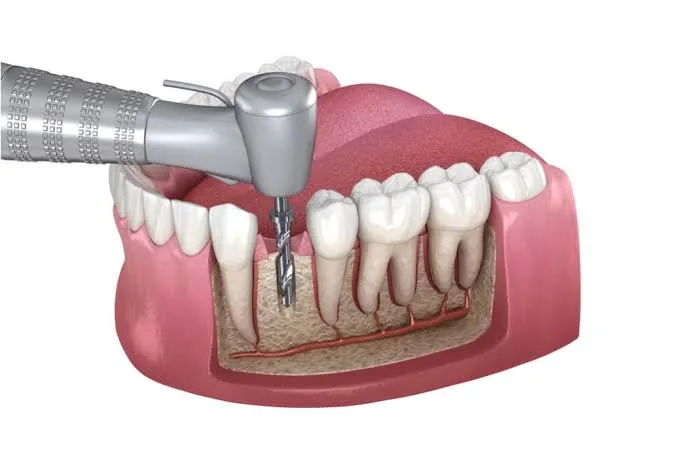
Root canal treatment is a dental procedure where the infected or damaged pulp inside the tooth is removed. The inner part of the tooth is then cleaned, disinfected, and sealed to prevent further infection and save the natural tooth.
Why Is Root Canal Needed?
Root canal treatment is required when the tooth pulp becomes infected or inflamed due to:
- Deep tooth decay
- Severe tooth infection
- Cracked or broken tooth
- Repeated dental procedures on the same tooth
- Dental abscess or pus formation
Root Canal Procedure (Step by Step)
- Dental examination and X-ray to assess infection
- Local anesthesia to numb the tooth
- Opening the tooth to reach infected pulp
- Removal of infected nerve and tissue
- Cleaning and disinfecting root canals
- Shaping canals for filling
- Sealing the canals with dental material
- Final restoration, often with a crown
Is Root Canal Painful?
Modern root canal treatment is usually painless due to effective anesthesia. Most patients feel relief from the pain caused by infection after the procedure. Mild sensitivity after treatment is normal and temporary.
Recovery After Root Canal
- Mild discomfort for a few days
- Avoid chewing hard foods on the treated tooth
- Maintain good oral hygiene
- Take prescribed medication if needed
- Follow dentist’s aftercare instructions
Benefits of Root Canal Treatment
- Preserves natural tooth
- Removes infection completely
- Restores normal chewing ability
- Prevents tooth extraction
- Improves overall oral health
When Should You See a Dentist?
- Persistent tooth pain
- Sensitivity to hot or cold
- Swelling in gums or face
- Dark or discolored tooth
- Pain while chewing
Early treatment helps save the tooth and prevent complications.
Frequently Asked Questions
1. How long does root canal treatment take?Usually one to two visits depending on the severity of infection.
2. Is root canal treatment safe?Yes, it is a safe and standard dental procedure.
3. Can I eat after root canal?Yes, but avoid hard foods until the final restoration is completed.
4. Do I need a crown after the root canal?In most cases, yes, to protect the treated tooth from fracture.
5. How long does a root canal last?With proper care, it can last many years or even a lifetime.
Root canal treatment is an effective way to save an infected tooth and avoid extraction. With modern techniques, it is safe, comfortable, and highly successful. If you experience tooth pain or signs of infection, early treatment is very important for protecting your oral health.
Visit Dentestha for professional root canal treatment and expert dental care.