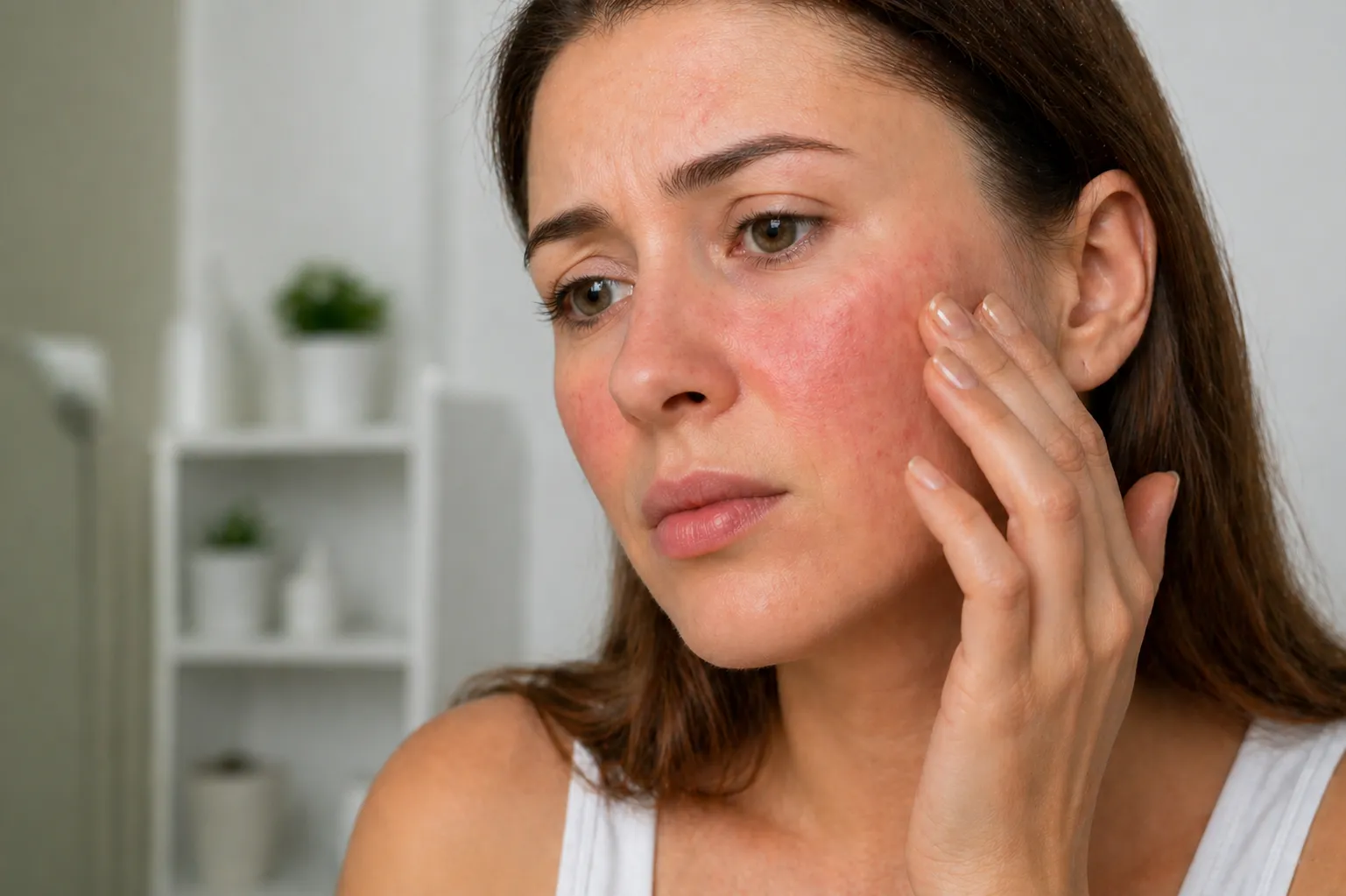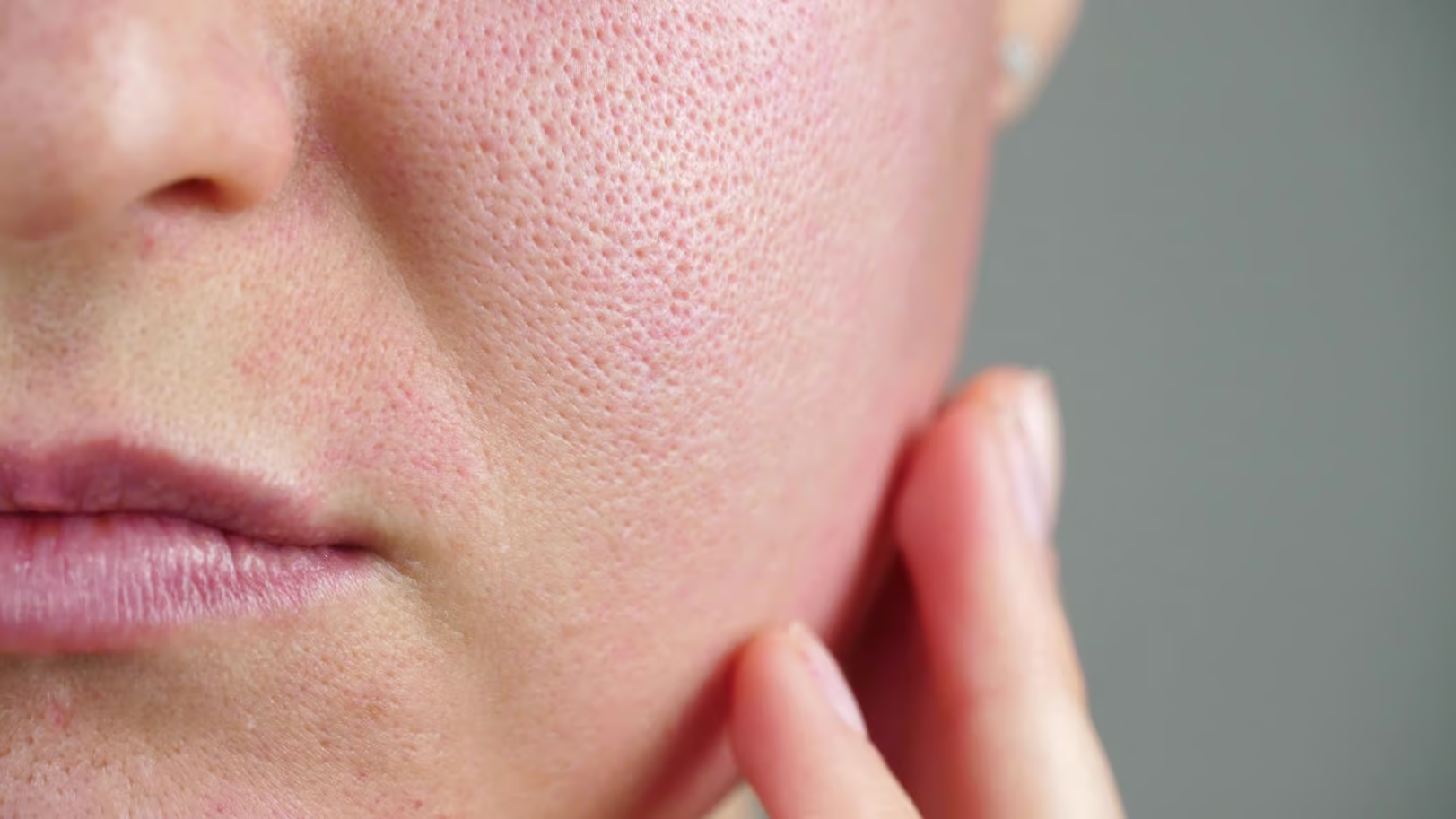
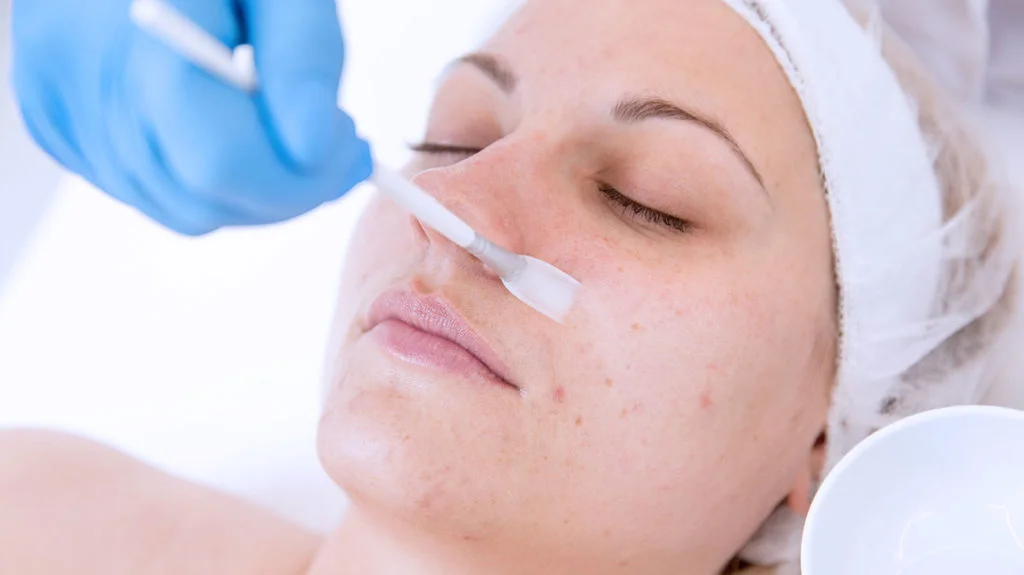
Chemical peel is a popular skin treatment used to improve skin texture, reduce acne marks, and brighten the complexion. It works by applying a controlled chemical solution to the skin that gently removes damaged outer layers, allowing fresh and healthier skin to appear. Many people are interested in chemical peels but also have concerns about safety, side effects, and results. In this blog, we will explain what a chemical peel is, its benefits, common myths, and what you can expect during and after the treatment.
What Is a Chemical Peel?
A chemical peel is a dermatological treatment where a chemical solution is applied to the skin to exfoliate and remove dead or damaged skin layers. It helps in skin renewal and improves overall skin appearance.
Types of Chemical Peels
1. Superficial Peel
- Works on the outer skin layer
- Mild exfoliation
- Improves dull skin and minor pigmentation
2. Medium Peel
- Penetrates deeper skin layers
- Treats acne scars and wrinkles
3. Deep Peel
- Strongest type of peel
- Used for severe skin damage and deep scars
Benefits of Chemical Peel
- Improves skin texture
- Reduces acne and acne marks
- Brightens skin tone
- Reduces fine lines and wrinkles
- Removes dead skin cells
- Helps with pigmentation
What to Expect During the Procedure
- Skin cleansing before treatment
- Application of chemical solution
- Mild tingling or warming sensation
- Controlled peeling after treatment
- New skin appears after healing period
Aftercare Tips
- Avoid direct sun exposure
- Use sunscreen regularly
- Keep skin moisturized
- Do not pick or peel skin
- Follow dermatologist instructions
Common Myths About Chemical Peels
Myth 1: Chemical peels damage skin
Fact: When done professionally, they are safe and controlled.
Myth 2: One peel gives permanent results
Fact: Maintenance sessions are needed for long-term results.
Myth 3: Peels are only for acne
Fact: They also treat pigmentation, dullness, and aging signs.
Myth 4: Recovery is very painful
Fact: Mild peeling and discomfort are normal, not severe pain.
Who Should Avoid Chemical Peels?
- Pregnant or breastfeeding women (consult doctor first)
- Active skin infections
- Extremely sensitive skin conditions
- Recent strong skin treatments
When Should You See a Dermatologist?
- Persistent acne or scars
- Uneven skin tone
- Dark spots or pigmentation
- Dull and rough skin texture
- Before starting any peel treatment
Frequently Asked Questions
1. Is chemical peel safe?Yes, when performed by a qualified professional.
2. How long does recovery take?It depends on peel type, usually a few days to a week.
3. Does chemical peel hurt?You may feel mild tingling or warmth, but not severe pain.
4. How many sessions are needed?It varies based on skin condition and treatment goals.
5. Can all skin types use chemical peels?Most skin types can, but a consultation is important.
Chemical peels are an effective way to improve skin health, reduce acne marks, and achieve a brighter complexion when done correctly. Understanding the process, benefits, and myths helps you make an informed decision about the treatment.
If you want safe and professional chemical peel treatment, visit Dentestha for expert skincare solutions.