Tooth decay is one of the most common dental problems, but it often develops slowly and silently over time. Many people do not realize they have a cavity until pain or sensitivity begins. In reality, decay starts long before symptoms appear. It is caused by bacteria in the mouth that feed on sugars and produce acids, which gradually damage the tooth structure. If not treated early, this damage can progress deeper and lead to infection or tooth loss. In this blog, we will explain how cavities form step by step, what causes them, and how you can prevent them.
What Is Tooth Decay?
Tooth decay is the gradual breakdown of the tooth caused by bacteria, acid, and plaque buildup. It usually starts on the outer enamel layer and slowly progresses inward if untreated.
How Cavities Develop Over Time
Step 1: Plaque Formation
After eating, food particles mix with bacteria and form a sticky layer called plaque on the teeth.
Step 2: Acid Production
Bacteria in plaque feed on sugars and produce acids that attack the tooth enamel.
Step 3: Enamel Weakening
Continuous acid attacks cause the enamel to lose minerals and become weak.
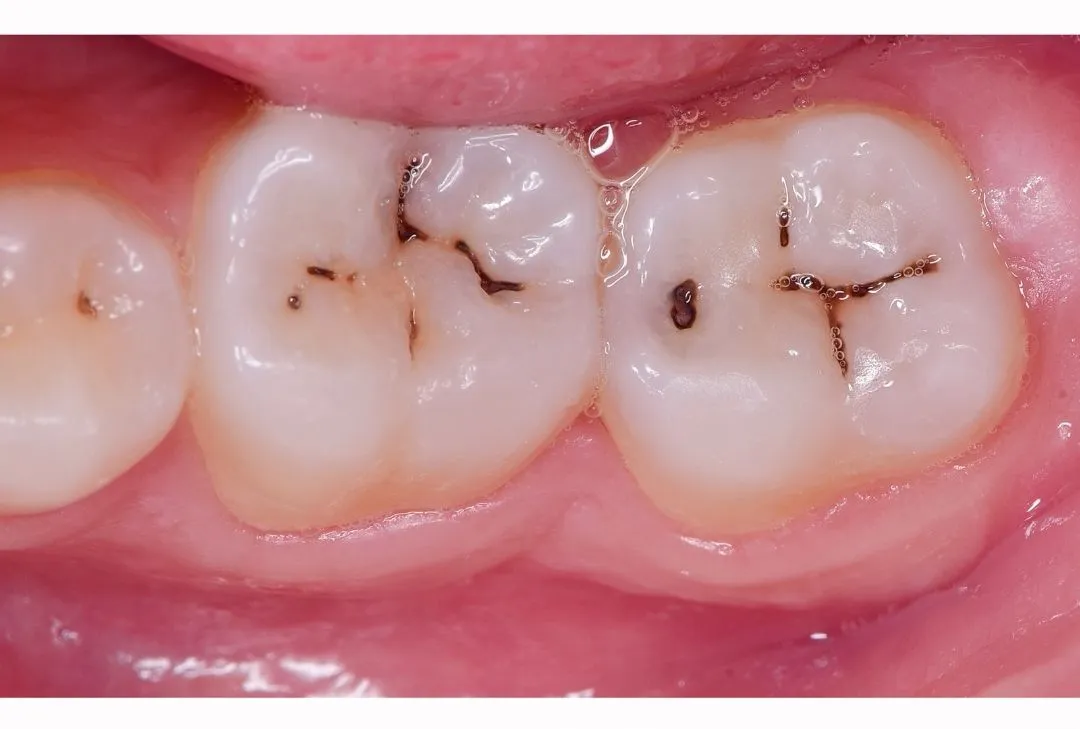
Step 4: Early Cavity Formation
Small holes begin to form on the enamel surface.
Step 5: Dentin Involvement
The decay spreads into the dentin layer, causing sensitivity and discomfort.
Step 6: Pulp Infection
In advanced stages, decay reaches the tooth nerve (pulp), leading to pain, infection, and possible abscess formation.
What Causes Tooth Decay?
- Poor oral hygiene
- Frequent sugar consumption
- Sticky and processed foods
- Irregular brushing and flossing
- Dry mouth (low saliva flow)
- Lack of fluoride exposure
Signs of Tooth Decay
- Tooth sensitivity
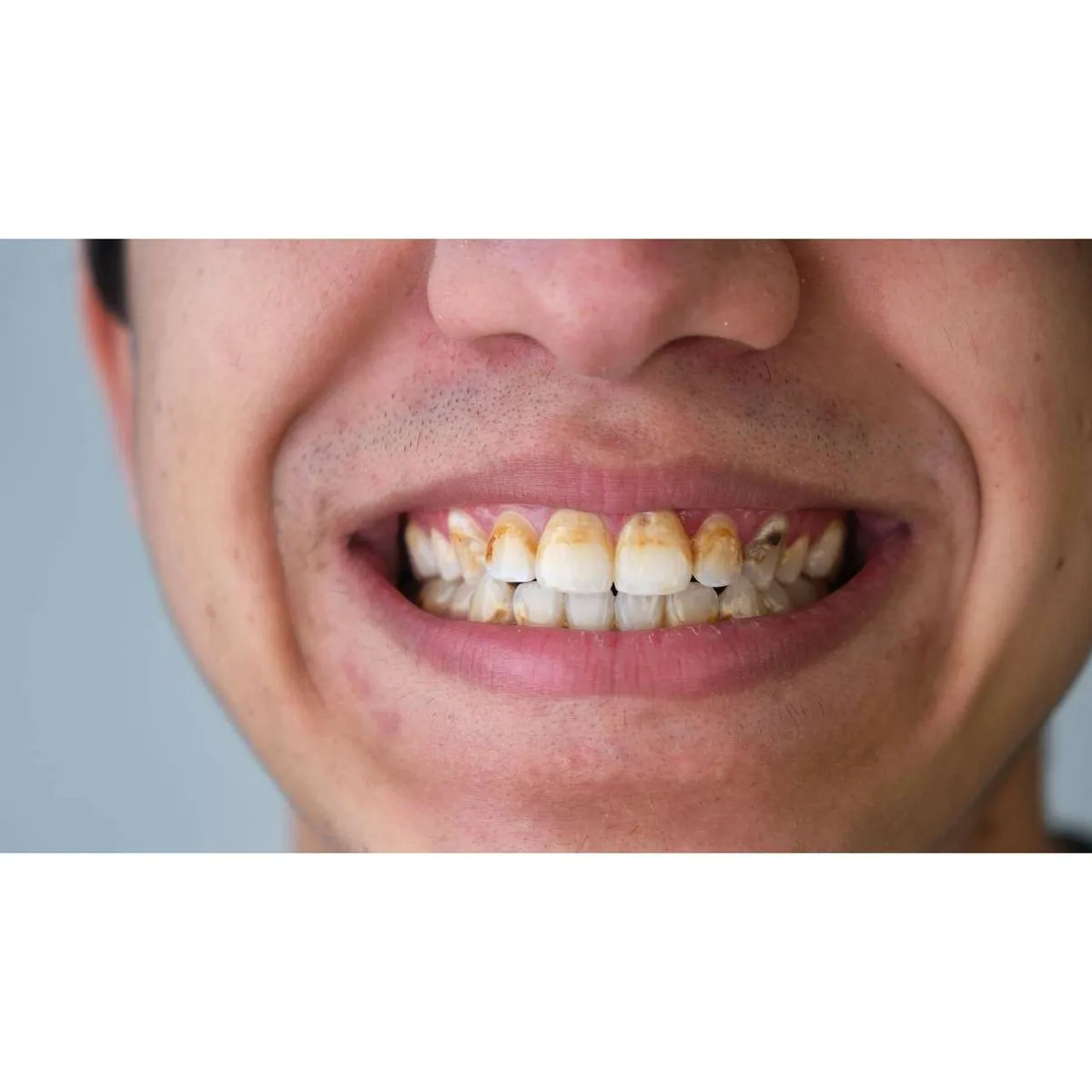
- Visible dark spots or holes
- Toothache (especially in advanced stages)
- Bad breath
- Pain when eating sweet, hot, or cold foods
Complications of Untreated Cavities
If tooth decay is not treated early, it can lead to:
- Severe tooth pain
- Tooth infection or abscess
- Swelling in gums or face
- Need for root canal treatment
- Tooth loss
Treatment Options
Depending on severity, dentists may recommend:
- Fluoride treatment for early decay
- Dental fillings for small cavities
- Root canal treatment for deep decay
- Crown placement for weakened teeth
- Tooth extraction in severe cases
How to Prevent Tooth Decay
- Brush twice daily with fluoride toothpaste
- Floss daily
- Reduce sugar intake
- Drink plenty of water
- Avoid frequent snacking
- Visit the dentist regularly
- Get professional cleaning every 6 months
When Should You See a Dentist?
- Persistent tooth sensitivity
- Dark spots or visible holes
- Tooth pain while eating or drinking
- Food frequently getting stuck between teeth
- Bad breath that does not improve
Early treatment can stop decay before it becomes serious.
Frequently Asked Questions
1. Can cavities heal on their own?Early enamel damage can sometimes be reversed, but true cavities need dental treatment.
2. How long does it take for a cavity to develop?It can take months or years depending on oral hygiene and diet.
3. Is tooth decay painful?Not in early stages, but pain develops as it reaches deeper layers.
4. Can brushing remove cavities?No, brushing prevents cavities but cannot remove existing decay.
5. What is the best treatment for cavities?It depends on severity, including fillings, root canals, or other dental procedures.
Tooth decay is a slow and silent process that can lead to serious dental problems if ignored. Understanding how cavities develop helps in preventing them early. With proper oral hygiene, healthy eating habits, and regular dental visits, tooth decay can be effectively avoided or treated in time.
Visit Dentestha for professional cavity diagnosis and complete dental care