
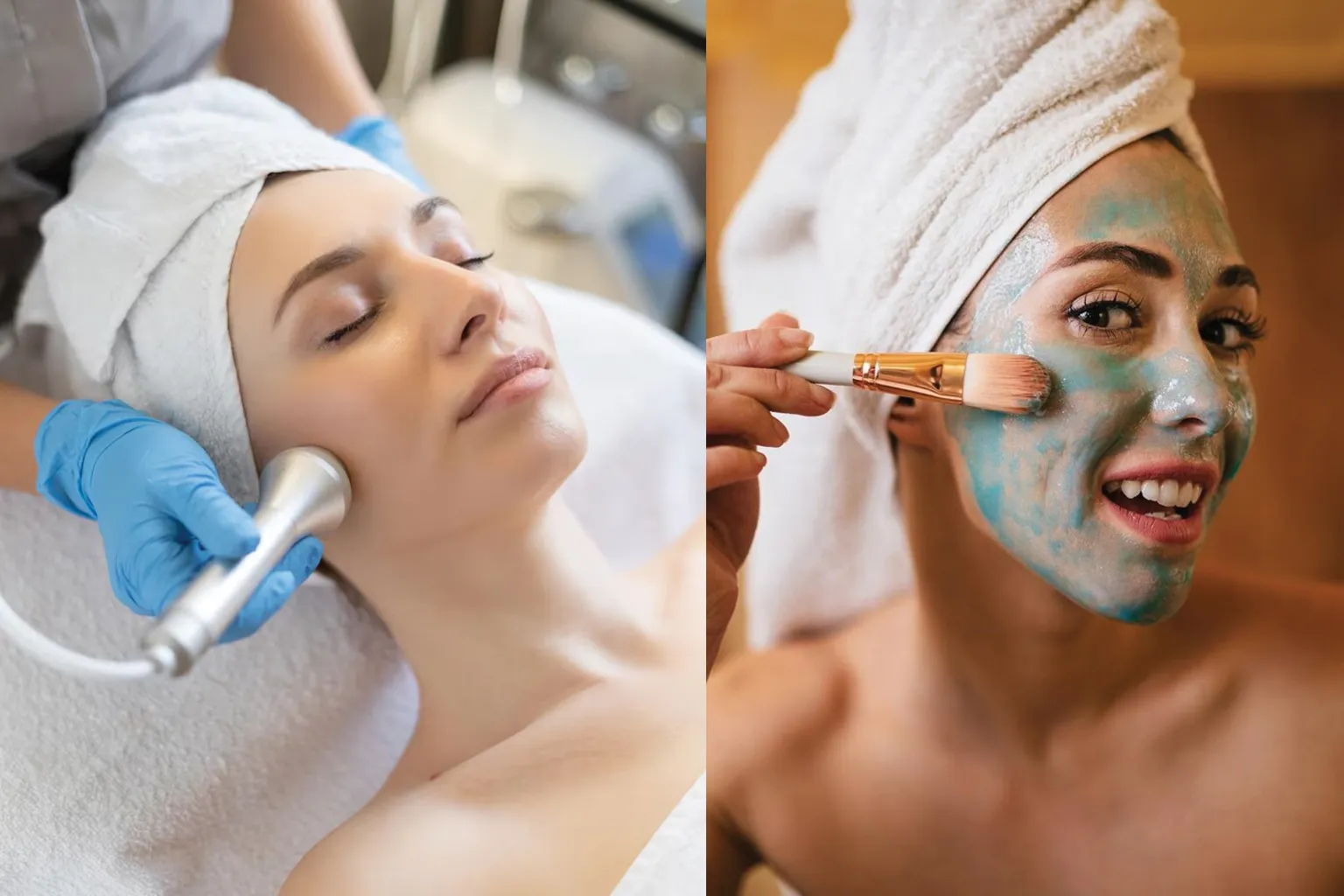
Thinking about getting a facial but unsure which one to choose?
Many people book a facial expecting clearer, healthier skin, only to discover there are several options available. Two of the most common choices are the traditional facial and the Hydrafacial. At first glance they may seem similar because both leave your skin feeling fresh. However, the way they work and the results they deliver are quite different.
If you've ever wondered whether paying extra for a Hydrafacial is worth it, you're asking the right question. The answer depends on your skin concerns, expectations, and long-term skincare goals.
Let's take a closer look.
A Regular Facial: A Classic Way to Refresh Your Skin
A regular facial has been a trusted skincare treatment for years. It usually includes cleansing, exfoliation, steaming, extractions, facial massage, a face mask, and moisturizing.
The main goal is to clean the skin, improve circulation, and leave your face feeling refreshed.
For someone with relatively healthy skin who wants routine maintenance, a regular facial can be a good option.
So, What Makes a Hydrafacial Different?
A Hydrafacial uses a specialized device rather than manual techniques.
Instead of relying on steaming and manual extractions, the treatment uses gentle suction technology to remove dirt, oil, and impurities from the pores. At the same time, it infuses the skin with hydrating and nourishing serums.
This combination of cleansing and hydration is one of the reasons why Hydrafacial has become increasingly popular.
Hydrafacial vs Regular Facial: The Biggest Differences
Although both treatments improve skin appearance, they focus on different approaches.
A regular facial mainly cleanses and relaxes the skin using traditional techniques.
A Hydrafacial offers:
- Deeper pore cleansing
- Gentle extraction without squeezing
- Intense skin hydration
- More even skin texture
- Immediate glow with minimal irritation
For many people, the difference becomes noticeable after the first session.
Which Treatment Is Better for Your Skin?
There isn't one answer that fits everyone.
A regular facial may be suitable if you:
- Want basic skin maintenance
- Enjoy a relaxing facial massage
- Have few major skin concerns
A Hydrafacial may be a better choice if you want to:
- Reduce clogged pores
- Improve dull-looking skin
- Boost skin hydration
- Minimize blackheads
- Prepare your skin before a special event
Choosing the right treatment depends on what your skin actually needs rather than what's trending.
Is Hydrafacial Suitable for Sensitive Skin?
Many people worry that deeper cleansing means more irritation.
The good news is that Hydrafacial is generally gentle enough for most skin types, including sensitive skin. Since the treatment can be customized, skincare professionals can adjust it according to your skin's condition.
However, an assessment before treatment is always recommended.
How Can You Make the Results Last Longer?
Whether you choose a Hydrafacial or a regular facial, maintaining results depends on your daily skincare routine.
Simple habits make a big difference:
- Cleanse your face twice daily.
- Apply moisturizer regularly.
- Wear sunscreen every day.
- Drink enough water.
- Avoid picking at your skin.
Professional treatments work best when supported by consistent home care.
When Should You Consider Professional Advice?
A facial may improve your skin's appearance, but it cannot treat every skin condition.
If you have:
- Frequent acne breakouts
- Persistent pigmentation
- Extremely sensitive skin
- Ongoing redness or irritation
- Acne scars or uneven texture
It's best to consult a skincare professional before choosing a treatment.
Frequently Asked Questions
1. Is Hydrafacial more effective than a regular facial?For deep cleansing and hydration, many people notice better and longer-lasting results with Hydrafacial.
2. Is there any downtime after a Hydrafacial?No. Most people return to their normal activities immediately after treatment.
3. How often should I get a Hydrafacial?Many people benefit from a session every 4–6 weeks, depending on their skin needs.
4. Can I get a Hydrafacial if I have acne?It may help certain types of acne, but a professional assessment is recommended first.
5. Which facial is better before a special occasion?Hydrafacial is often chosen because it provides an instant glow with little to no downtime.
Both Hydrafacial and regular facials have their place in a good skincare routine. A regular facial is ideal for basic maintenance and relaxation, while a Hydrafacial offers deeper cleansing, better hydration, and more noticeable results for many skin concerns. Choosing the right treatment starts with understanding your skin rather than following trends.
If you're unsure which facial is right for you, visit Dentestha for a personalized skin assessment and expert skincare treatments.