Sunlight is essential for vitamin D production, but too much sun exposure can gradually damage your skin. Even if you don't get sunburned, daily exposure to ultraviolet (UV) rays can affect your skin's health and appearance over time. It may lead to premature aging, pigmentation, dryness, and an increased risk of skin problems. Since sun damage builds up slowly, many people don't notice its effects until years later. Understanding how the sun affects your skin can help you take simple steps to protect it every day.
How Does Sun Exposure Affect Your Skin?
Premature Skin Aging
UV rays break down collagen and elastin, making the skin lose its firmness. This can lead to fine lines, wrinkles, and sagging skin over time.
Hyperpigmentation
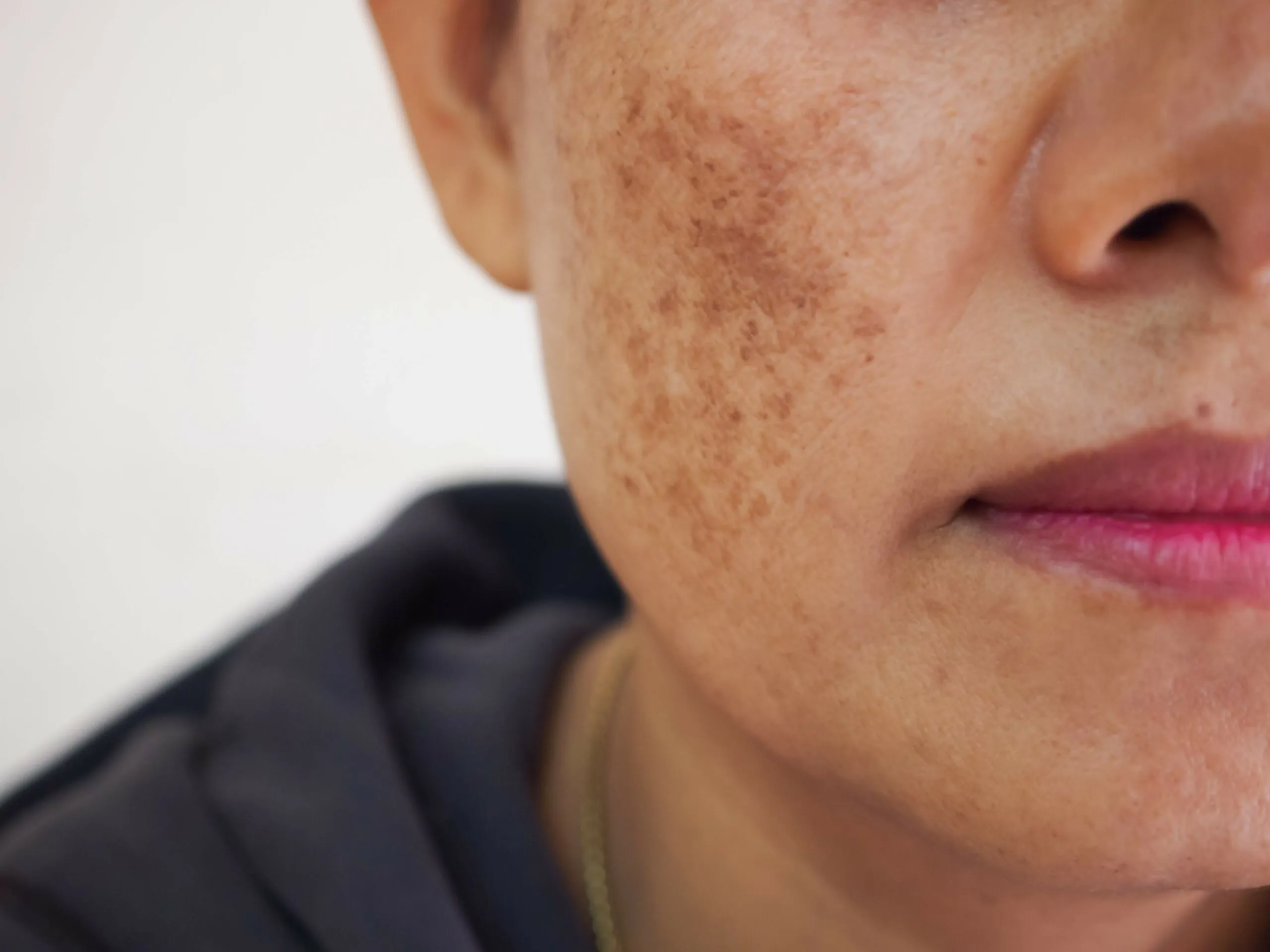
Frequent sun exposure can trigger excess melanin production, causing dark spots and uneven skin tone.
Dryness and Dehydration
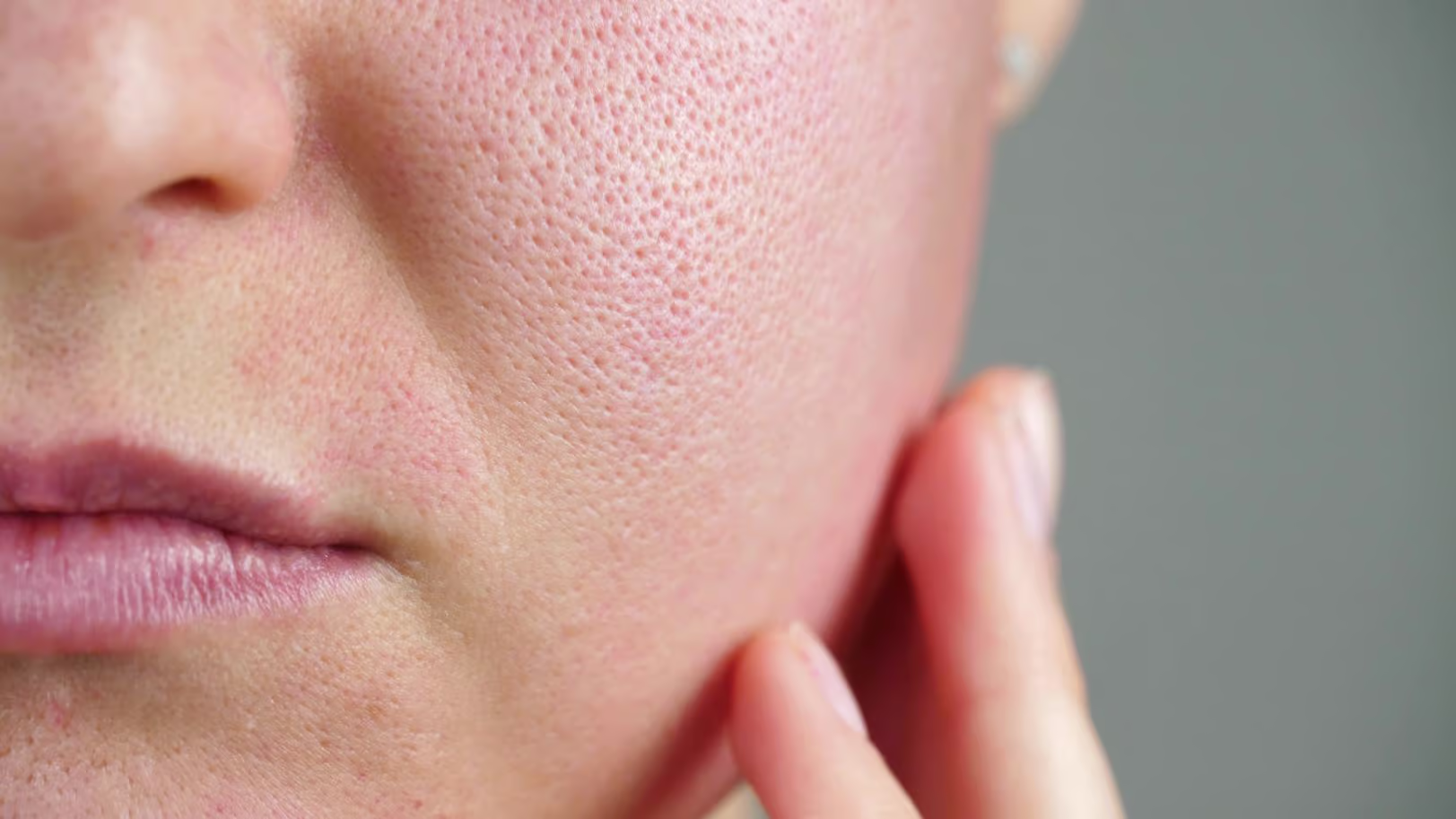
The sun can reduce your skin's natural moisture, leaving it feeling dry, rough, and irritated.
Sunburn
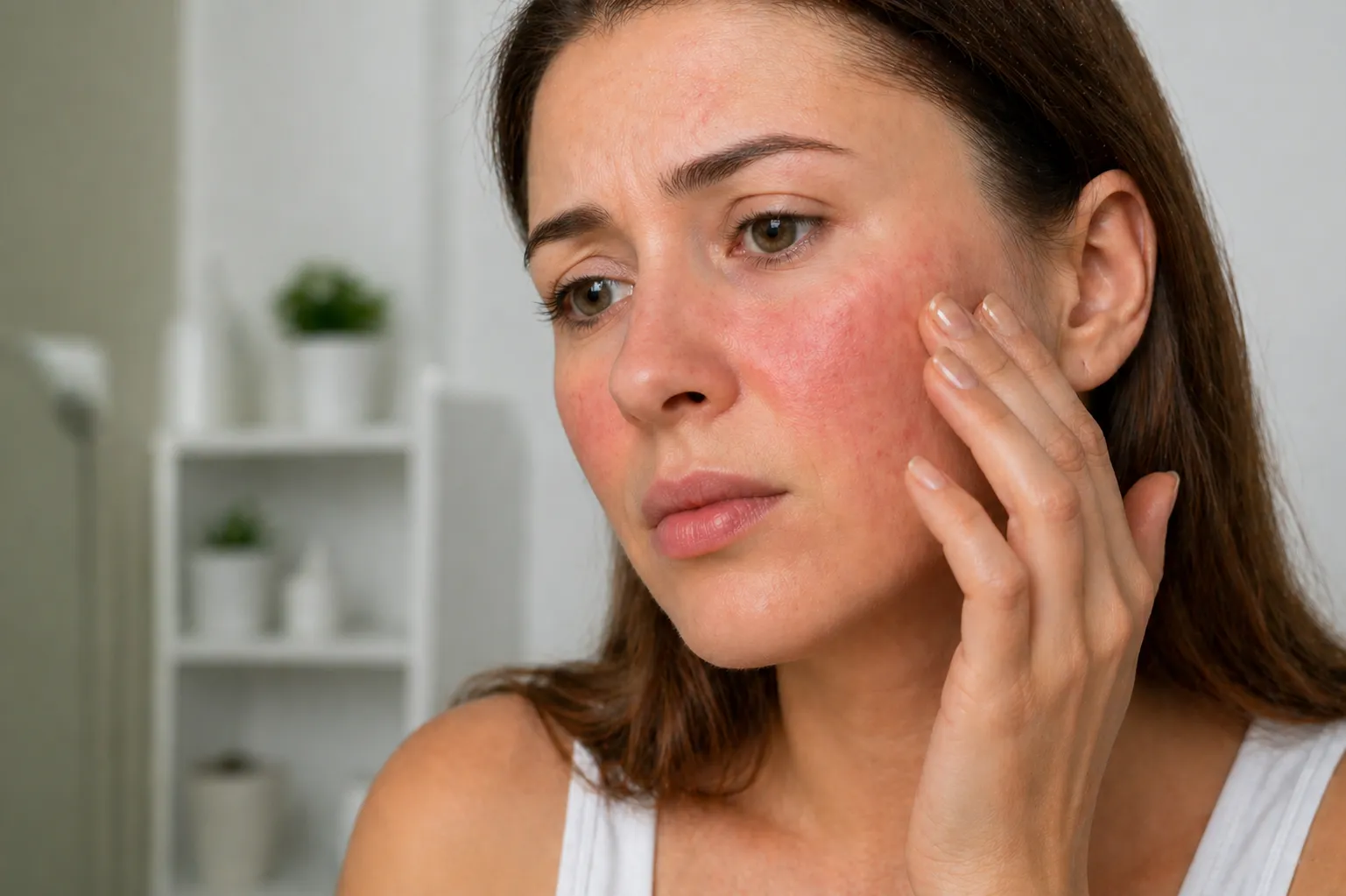
Spending too much time in the sun without protection can cause redness, pain, and peeling.
Weakened Skin Barrier
Continuous UV exposure can damage the skin's protective barrier, making it more sensitive to pollution and irritation.
Increased Risk of Skin Cancer
Long-term exposure to UV radiation is one of the major risk factors for developing skin cancer. Regular sun protection helps reduce this risk.
Who Is More Likely to Experience Sun Damage?
You may be at higher risk if you:
- Spend long hours outdoors
- Rarely use sunscreen
- Have fair or sensitive skin
- Work in direct sunlight
- Have a history of sunburns
How to Protect Your Skin from Sun Damage
- Apply a broad-spectrum sunscreen with SPF 30 or higher every day
- Reapply sunscreen every two hours when outdoors
- Wear protective clothing, sunglasses, and a wide-brimmed hat
- Seek shade during peak sunlight hours
- Keep your skin hydrated by drinking enough water
- Follow a consistent skincare routine with antioxidants and moisturizer
When Should You See a Dermatologist?
Consult a dermatologist if you notice:
- New or changing moles
- Persistent dark spots
- Skin that burns easily
- Rough patches that do not heal
- Unusual changes in skin texture or color
Frequently Asked Questions
1. Can the sun damage my skin even on cloudy days?Yes. UV rays can pass through clouds and still affect your skin.
2. Do I need sunscreen indoors?If you spend time near windows or receive significant daylight exposure, sunscreen is recommended.
3. Is SPF 15 enough for daily use?Most dermatologists recommend using SPF 30 or higher for better protection.
4. Can sun damage be reversed?Some effects can be improved with skincare and professional treatments, but prevention is the best approach.
5. How often should I reapply sunscreen?Every two hours when outdoors, or more often if you are sweating or swimming.
Daily sun exposure can gradually affect your skin, even if the changes are not immediately visible. Protecting your skin with sunscreen and healthy skincare habits can help prevent premature aging, pigmentation, and other long-term damage.
If you are concerned about sun damage or pigmentation, visit Dentestha for professional skin assessment and personalized treatment.