
Hair Care
5 min read

Dentestha Team
15/07/2026
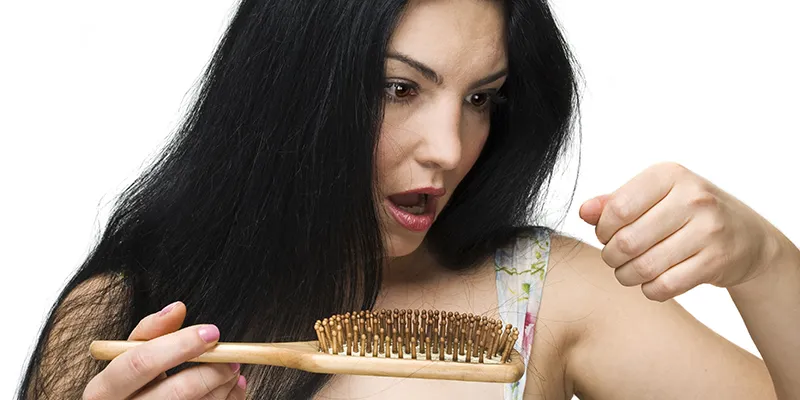
Your hair may suddenly feel thinner, shed more than usual, or change in texture. Sometimes, the reason is not a new shampoo or Hair Care Product.
Hormonal changes can affect the Hair Growth Cycle in ways you may notice gradually or quite suddenly. From puberty and pregnancy to menopause and certain hormonal conditions, changes in hormone levels can influence how your hair grows and sheds.
Hair grows in different phases. Hormones can influence how long hair stays in the growth phase and how quickly it moves into the shedding phase.
When hormone levels change, the Hair Growth Cycle may also change.
This can lead to increased Hair Fall, thinning, or changes in hair texture.
During pregnancy, hormonal changes may keep more hair in the growth phase.
After childbirth, hormone levels shift again. As a result, some people experience noticeable hair shedding a few months later.
This can be alarming, but it is often temporary.
During Menopause, changes in hormone levels may affect hair density and growth.
Some people may notice thinning on the scalp or changes in hair texture.
The Thyroid Gland plays an important role in many body functions, including hair growth.
Both an underactive and overactive thyroid may sometimes be associated with Hair Loss or changes in hair texture.
Certain hormonal conditions may affect hair growth and shedding.
Depending on the cause, a person may experience scalp hair thinning or increased hair growth in other areas of the body.
Treatment depends on the underlying cause.
A Dermatologist may consider your symptoms, medical history, and other factors before recommending appropriate treatment.
In some cases, addressing the underlying hormonal problem may help improve Hair Growth. Other treatments may also be considered depending on the type and severity of Hair Loss.
Consider professional advice if you notice:
Sudden or excessive Hair Fall
Gradual thinning
Widening of the hair part
Receding hairline
Hair Loss after a major hormonal change
Hair Loss with other unusual symptoms
The earlier the cause is identified, the easier it may be to determine the right treatment approach.
Yes. Changes in hormone levels can affect the Hair Growth Cycle and may lead to increased shedding or thinning.
Postpartum Hair Shedding is often temporary, but the duration and recovery can vary.
Yes. Thyroid conditions may be associated with Hair Loss and changes in hair texture.
Hormonal changes during Menopause may contribute to changes in hair density and growth.
In some cases, hair growth may improve after the underlying cause is addressed. However, the outcome depends on the specific condition and type of Hair Loss.
Hormonal changes can affect your hair by influencing the Hair Growth Cycle. Pregnancy, postpartum changes, Menopause, thyroid conditions, and other hormonal changes may contribute to Hair Fall or thinning.
If your hair has changed suddenly or continues to become thinner, it is important to look beyond Hair Care Products and consider the underlying cause.
If you are experiencing unexplained Hair Fall or thinning, visit Dentestha for a professional hair and scalp assessment and personalized treatment guidance.
Hair Care