
Dental Health
5 min read

Dentestha Team
11/07/2026
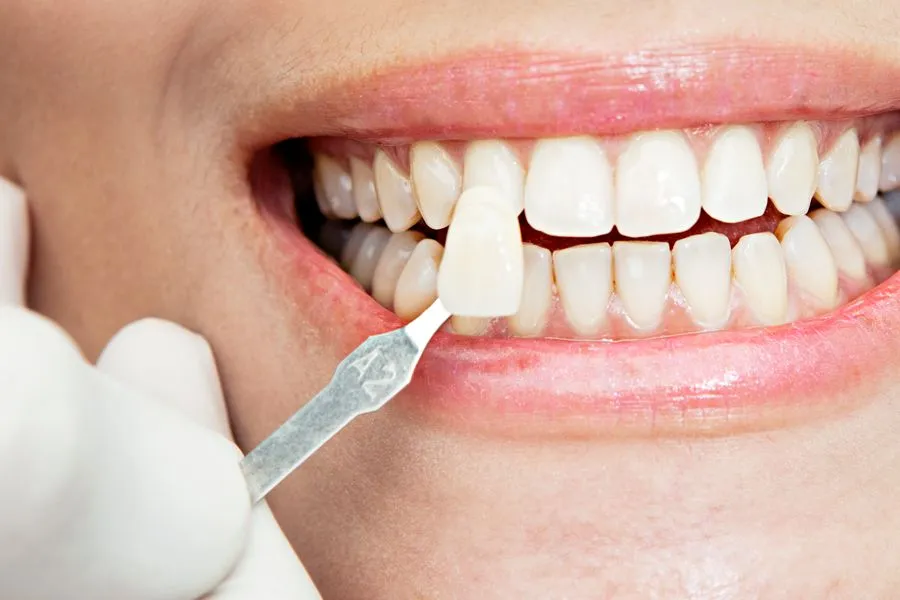
A Dental Crown can restore a damaged tooth and help you chew comfortably again. But many patients eventually ask the same question: How long will it last?
The answer depends on several factors. The type of Crown, your oral hygiene, your eating habits, and even whether you grind your teeth at night can all affect its lifespan.
A well-maintained Crown can last for many years. However, it is not designed to last forever.
A Dental Crown commonly lasts around 10 to 15 years, although some can last longer with proper care.
There is no fixed expiration date for every Crown. Two people may receive the same type of Crown but experience different lifespans based on their oral health and daily habits.
The condition of the natural tooth underneath also matters.
What Determines How Long a Crown Lasts?
Crowns can be made from different materials, including Porcelain, Ceramic, Zirconia, and Metal.
Each material has different strengths and may be selected based on the location of the tooth, your bite, and your specific needs.
A Crown itself cannot develop a cavity, but the natural tooth underneath it still can.
If plaque builds up around the edge of the Crown, the tooth underneath may become vulnerable to Decay.
Regular brushing, Flossing, and Dental Checkups are essential.
Using your teeth to bite hard objects, chewing ice, or frequently eating very hard foods can put excessive pressure on a Crown.
These habits may cause the Crown to chip, crack, or become loose.
Some people grind or clench their teeth, especially while sleeping.
This puts additional pressure on the Crown and may shorten its lifespan. Your Dentist may recommend a Night Guard if necessary.
How Do You Know When a Crown Needs Attention?
A Crown may need to be checked if you notice:
Pain or sensitivity around the Crown
A loose Crown
A crack or chip
A change in the way your teeth come together
Food repeatedly getting trapped around it
Swelling near the Crown
Do not wait for severe pain before getting it examined.
Yes. A few simple habits can help protect it.
Brush twice a day.
Clean between your teeth daily.
Avoid chewing ice and extremely hard objects.
Do not use your teeth to open packages.
Wear a Night Guard if recommended.
Visit your Dentist for regular checkups.
The Crown is only one part of the picture. Protecting the natural tooth and surrounding gums is equally important.
When a Crown becomes damaged or no longer fits properly, your Dentist will examine both the Crown and the tooth underneath.
In some cases, the existing Crown may simply need to be replaced.
If the natural tooth has developed Decay or other problems, additional treatment may be required before a new Crown is placed.
Frequently Asked Questions
There is no fixed schedule. Many Crowns last around 10 to 15 years, but their lifespan varies depending on care, material, and oral health.
Some Crowns can last for several decades, but no Crown is guaranteed to last forever.
The Crown itself cannot develop a cavity, but the natural tooth underneath or around the edge of the Crown can.
Some sensitivity may occur after placement, but persistent or worsening sensitivity should be checked by a Dentist.
Yes. Once the Crown is properly placed and adjusted, most people can eat normally. However, avoiding extremely hard foods can help protect it.
A Dental Crown can last for many years, but its lifespan depends on more than the material used. Good oral hygiene, regular Dental Checkups, healthy chewing habits, and proper care can all help extend its durability.
If you notice pain, sensitivity, looseness, or damage around an existing Crown, it is best to have it checked rather than waiting for the problem to worsen.
If you need a Dental Crown evaluation or are concerned about an existing Crown, visit Dentestha for professional dental care and personalized treatment guidance.
Dental Health